
Christmas Etiquette: The Subtle Art of Being Delightfully Considerate
The Christmas season arrives each year with a curious mixture of delight and mild panic. Streets glisten with lights that would put a small solar system to shame and shops teem with last minute shoppers performing an odd kind of ballet between shelves and trolleys. The season invites us to overeat, overspend and oversocialise. Amidst this chaos, there exists an often overlooked companion to festive cheer: etiquette. True etiquette reaches far beyond which fork to use at dinner or whether a thank you card should be hand delivered or posted. At its heart, etiquette is the art of being considerate, thoughtful and ever so slightly aware that other human beings exist alongside you.
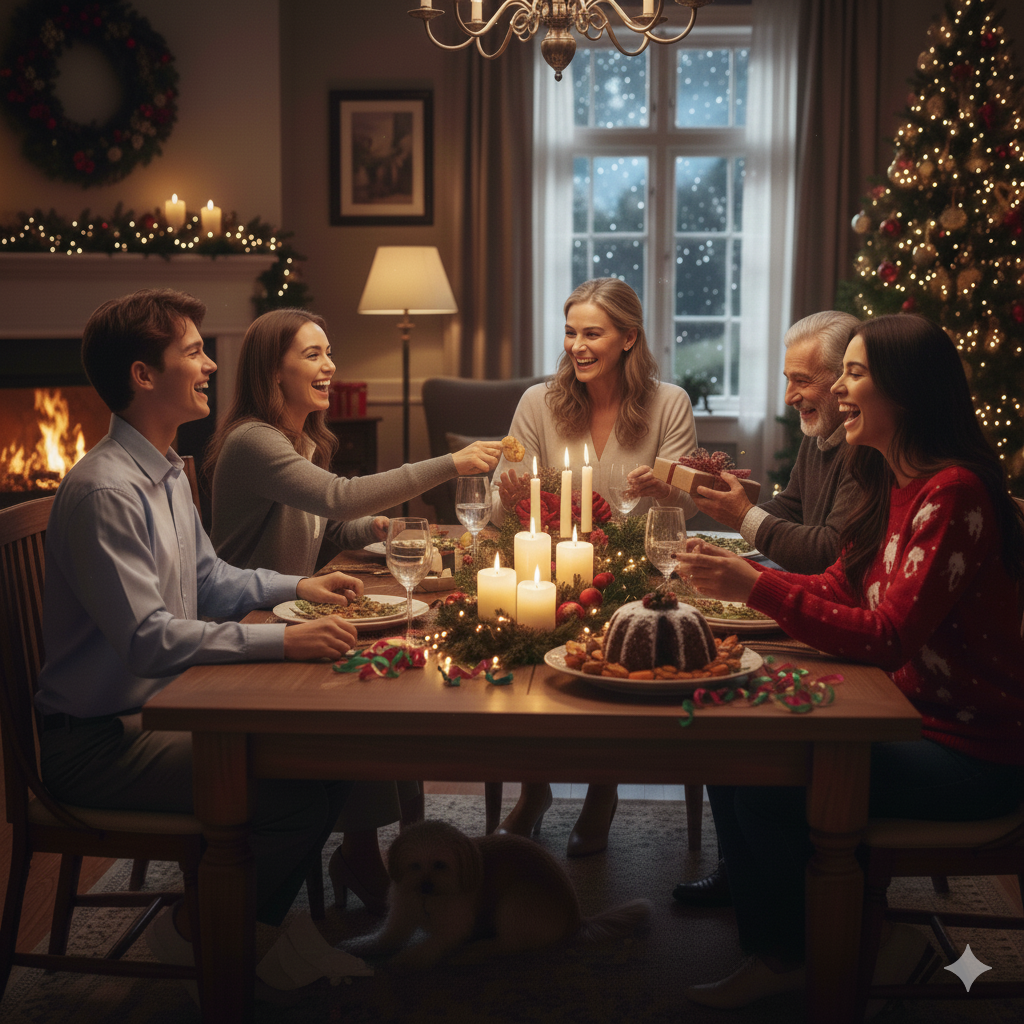
Western culture often portrays etiquette as a set of rules. One must dress appropriately for dinner, know the correct way to toast a guest and remember to smile whilst enduring conversation about Uncle Paul’s mystery cough. These outward signs of decorum provide reassurance that civilisation has not entirely broken down. Yet true etiquette is subtler than mere compliance. It is a conscious effort to act in ways that preserve the comfort and dignity of those around us. At Christmas, when emotions run high, patience is short and relatives congregate in ways that defy any sense of logic, this form of etiquette is nothing less than heroic.
Consider the Christmas dinner table. The turkey might be golden and the sprouts fragrant, yet the real challenge is social. It is easy to dominate conversation with tales of minor triumphs at work or last weeks binge of crime drama. A master of festive etiquette allows others to speak, listens attentively, and refrains from the temptation to correct Aunt Essie’s pronunciation of the word 'Scone'. True manners here are invisible yet immensely powerful, fostering harmony where chaos threatens.
Across the world, the meaning of etiquette varies, yet its essence remains consistent. In many cultures, group harmony is prized. A festive gathering may be quiet and reflective, an exercise in deference to elders and subtle navigation of social expectation. In Middle Eastern cultures, hospitality is ritualised and generous, ensuring guests feel honoured and welcome. In each case, etiquette is less a set of rigid rules and more a tool for preserving respect, consideration and social balance.
The art of gift giving is perhaps the most conspicuous area where Christmas etiquette flourishes. Gifts should be thoughtful rather than extravagant. One cannot measure kindness in price. A handmade card, a favourite book chosen with care or a humble token that evokes shared memory can speak louder than the most ostentatious of purchases. Giving well requires observation and attention. It demands that the giver consider not only their own excitement but the desires and comforts of the recipient.
Hosting presents another opportunity for festive elegance. A host may provide a sumptuous meal, yet the real task is unseen. Ensuring dietary restrictions are respected, providing quiet corners for conversation and smoothing over inevitable tensions requires subtlety, patience and a cheerful demeanour. Those who host well are the unsung heroes of the season. Guests may praise the food but it is the quiet attentiveness and empathy of the host that make the memory endure.
Festive gatherings, particularly in families, can be testing. Long lost cousins may appear with unfamiliar children and untamed dogs, or a disagreement about the last mince pie may escalate with alarming speed. Etiquette in these moments is the difference between laughter and disaster. It is expressed through restraint, good humour and the ability to navigate minor calamities with charm rather than fury. Those who master this art are the true stars of the season.
There is also the matter of presence. In an age dominated by screens and schedules, giving someone your full attention is a gift of the rarest sort. Listening attentively, responding thoughtfully and demonstrating genuine interest conveys respect and consideration. At Christmas, when gatherings may be brief yet emotionally loaded, the etiquette of presence becomes a subtle yet profound expression of care.
The festive season also invites reflection. Etiquette at Christmas is not merely about appearance, decorum or tradition. It asks us to consider how our words and actions affect others. It reminds us that generosity without thought is hollow and that true manners are born of empathy and ethical awareness. Christmas offers the perfect opportunity to practice these virtues, to make kindness tangible and to cultivate connections that last beyond the final glass of wine.
Ultimately, Christmas etiquette is an exercise in consciousness. It is a gentle art of observing, anticipating and responding to the needs of those around us. It is laughter shared without malice, patience offered without complaint and joy expressed in ways that include rather than exclude. It is an invitation to act with care, thoughtfulness and the quiet satisfaction of knowing that small acts of civility can illuminate the season far brighter than any string of lights.
This year, as decorations sparkle and carols fill the air, let us remember that etiquette is far more than a set of rules. It is a practice of consideration, a celebration of respect and a subtle form of magic that transforms ordinary gatherings into memorable occasions. In the bustling, overdecorated and sometimes chaotic weeks ahead, let us take a moment to be present, to give generously, to listen attentively and, above all, to act with the gentle care that defines true festive elegance.
Christmas is not simply a date on the calendar. It is a season in which the art of etiquette can shine most brightly, reminding us that politeness, patience and presence are among the finest gifts we can give or receive.